
Who we serve / Art museums and public galleries
The collection earns their attention. The store keeps it.
Visitors who walk through a well-designed gallery don’t browse the same way they browse anything else. Something slows down. They look longer, ask more questions, leave with a particular residue of the experience. The store sits at the end of that. It can extend the feeling or break it entirely. We work with museums and galleries that understand the difference, and we help them build merchandise programs that belong in the room. That means store assortment, exhibition-linked products, and member and donor gifts: working with store managers on what sells and with development directors on what gets given, sometimes at the same institution.
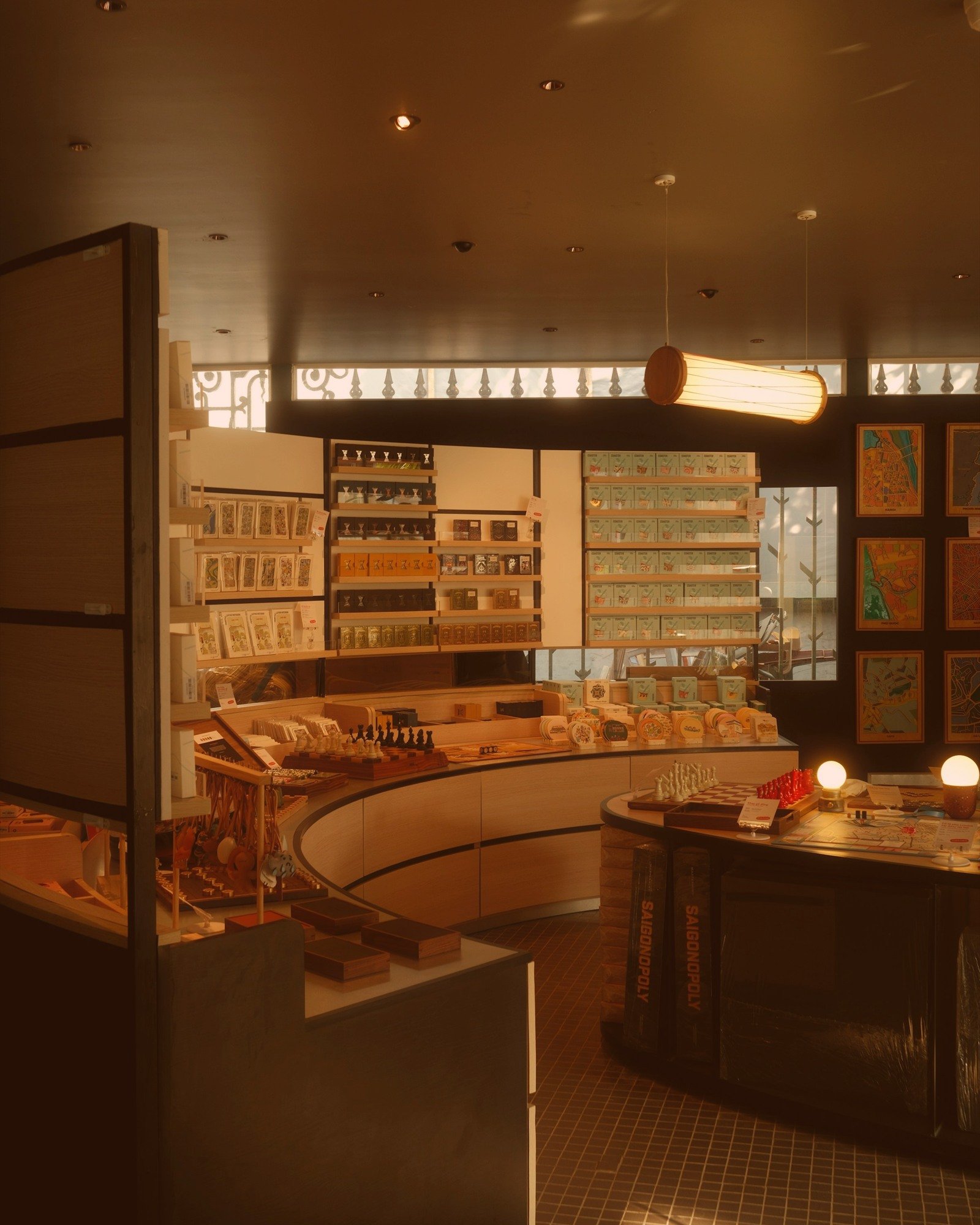
For the store
Merchandise that reflects the collection, not the catalog.

Museum stores have a particular challenge. The audience arrived because they care about specific things: the collection, the period, the artist, the institution’s particular lens on a subject. Generic totes and branded mugs will sell to some of them. But the organizations whose stores feel right are the ones where the merchandise seems like it was chosen by someone who also cared about the collection.
We track what peer institutions are buying, what’s converting, and what already feels dated. We know the difference between a product that is merely art-adjacent and one that actually belongs in a museum store. When we source for a museum, we’re thinking about the visitor who drove an hour to get there and is deciding whether to spend thirty dollars on the way out.
The store is the last room in the building. What it holds either belongs there or it doesn’t.
For development
Recognition that’s worth the relationship it marks.
Major donor gifts, board member acknowledgments, exhibition opening pieces: these moments ask a physical object to communicate something about how the institution sees its most important supporters. A generic item says someone filled an order under deadline. A chosen, well-made object says someone thought about the recipient.
Development directors in museums live between two pressures: the need to steward major relationships carefully and the operational reality that merchandise decisions often get made late, without enough context. We help by coming in early, asking the right questions about the recipient and the occasion, and presenting options that are specific enough to actually decide from. The goal is an object that the donor keeps, not one that goes in a drawer.
Planning a donor or member gift? Start a project. A rough idea is enough.

What we bring
- Knowledge of what peer institutions are actually buying, what’s landing in stores and what’s sitting unsold, and why.
- Product recommendations tied to your collection, your audience, and your season, not the same list every other institution gets.
- End-to-end management so the opening gift arrives correct, on time, and packaged the way you imagined it.
From field notes
What we’ve been noticing in the sector.
Museum stores, donor recognition, and the gap between what institutions offer and what their audiences actually want. Field Notes covers other sectors too.
-
The four calendars
Fifteen cultural institutions whose public filings we examined close their fiscal years in five different months. The Metropolitan Museum of…
-
Does donor recognition actually work?
More than half of the people who gave to a US nonprofit in 2024 did not give again in 2025.…
-
The object after the object
There is a specific quality of attention that settles over people in a well-designed museum gallery. It is not the…
Common questions
Questions we get asked.
What is the minimum order for museum store merchandise?
Minimums come with the product and the way it is decorated, not from us. A screen-printed tote often starts around 100 pieces. Engraved awards, embroidered goods and digitally printed items frequently run lower. Where a minimum is close, a long working relationship is usually what moves it. We tell you the real number before you plan around it.
How far ahead should we plan merchandise for an exhibition?
Timing depends on how complicated the order is. A simple reorder can ship in as little as 24 hours, and many stock products with standard decoration take about two weeks from approved artwork, plus shipping. Starting four to six weeks out is a safe plan. More involved decoration, packaging or logistics add time. Custom development, where the object is made rather than chosen, typically runs eight to sixteen weeks, at the longer end if it ships from overseas. In practice the schedule slips on approvals more often than on production, so build a two week buffer beyond any quoted date.
Can merchandise be tied to a specific collection or exhibition?
Yes, and that is most of the work. It usually means choosing an object whose material or form has something to do with the collection, rather than putting the logo on a standard item. Reproduction rights for collection imagery stay with the institution; we work within whatever your registrar approves.
What should a member or donor gift cost per unit?
There is no standard figure, and anyone who quotes one before asking about quantity is guessing. Unit cost moves with quantity, decoration method and material far more than with the product category. The useful way to start is to tell us the per recipient budget and the number of recipients. We come back with a few options that fit, not a list to sort through.
Tell us what you’re working on.
A rough idea is enough to start.