
Who we serve / History, science, and civic institutions
Audiences who came because they care about the subject.
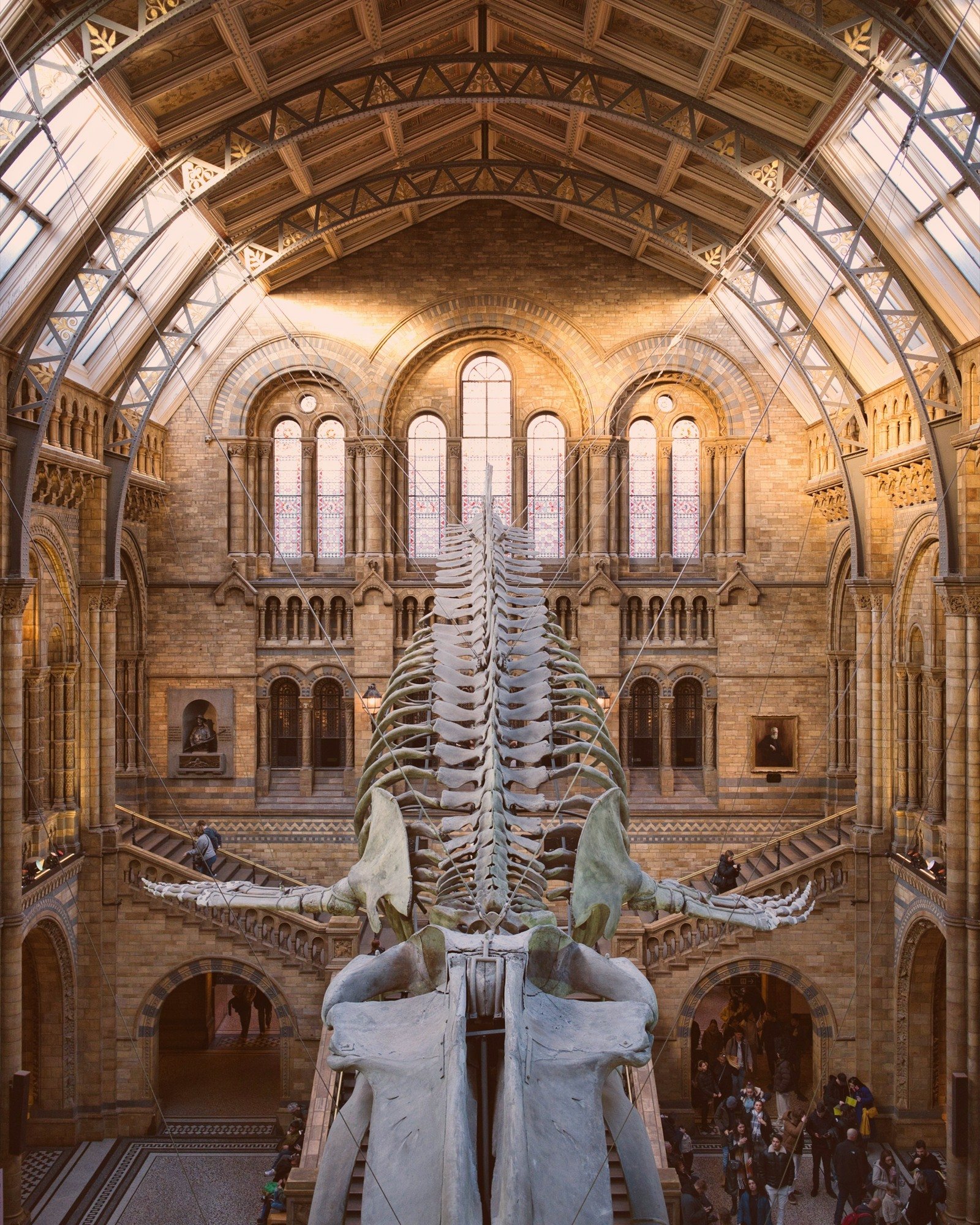
History museums, science centers, civic and government institutions, planetariums, natural history collections: these are places where the audience arrived with a specific intellectual appetite. They’re curious, they’re engaged, and they notice when merchandise reflects that engagement and when it doesn’t. Generic product communicates something specific about an institution, and it’s not something most of them intend to communicate. We work with store managers on what earns shelf space and with development and events teams on what goes in the hands of donors and conference guests.
For the store
Merchandise as curious as the audience.
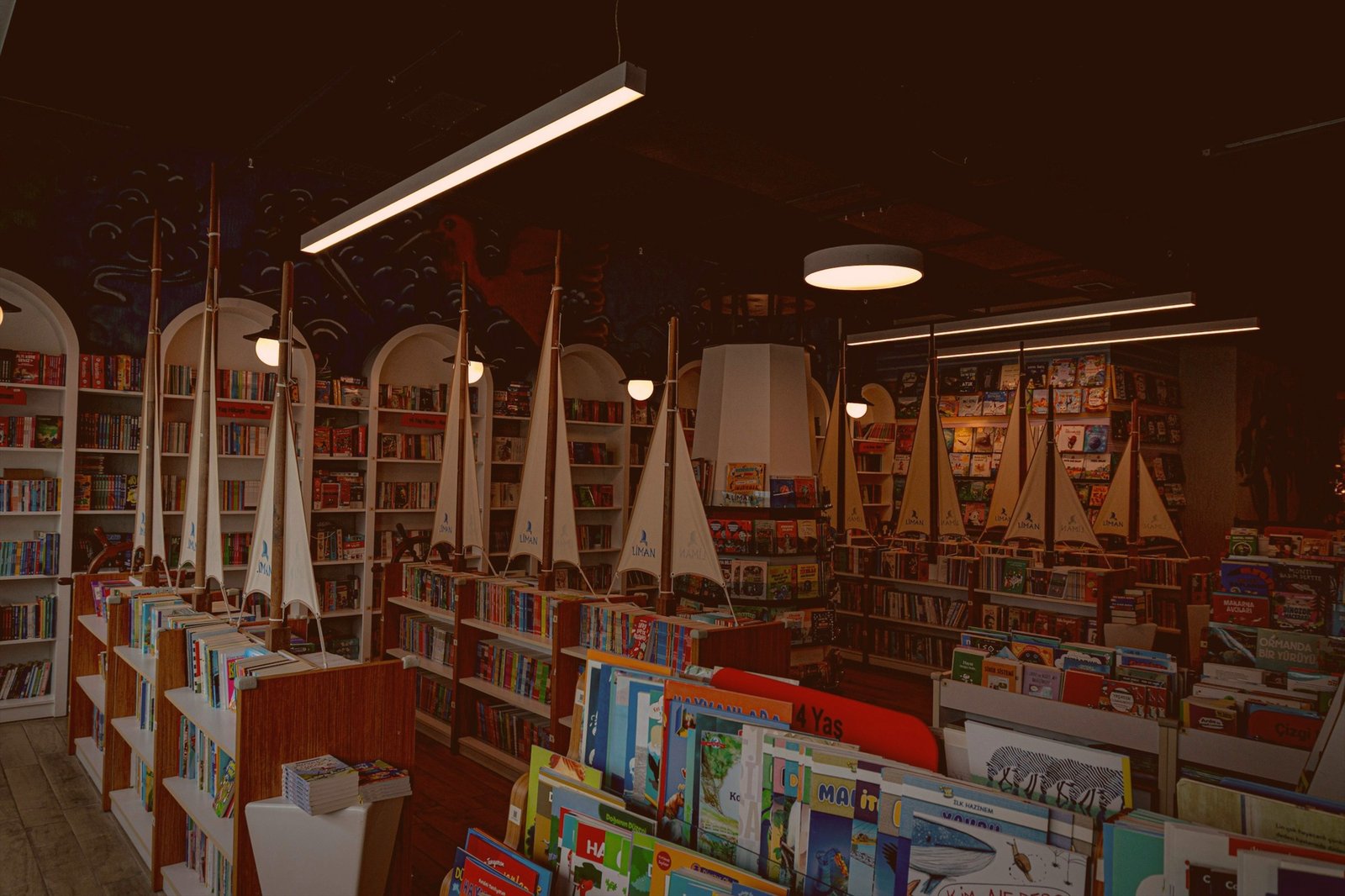
Science and history stores have a particular opportunity because the subject matter is inherently rich. A natural history collection has a visual archive. A science center has a built-in aesthetic. A civic institution has a city, a story, a physical place. The merchandise that works in these contexts is the kind that a curious person would pick up, turn over, and actually want to own, not because it has the logo on it but because it’s interesting.
We track what’s working in this category and what isn’t. We know which products in science, history, and education-adjacent merchandise have genuine depth and which ones are approximating it. The stores that stand out in this sector are usually not carrying more product. They’re carrying a more specific selection, chosen by someone who understands both the institution and what a curious adult actually spends money on.
The object that earns its place in a history or science store is the one that would make a curious person stop and pick it up, regardless of the logo.
For development and events
Recognition tied to the institution’s particular meaning.
Civic and institutional donors are a specific audience. They gave because they believe in the subject, the mission, or the institution’s role in the community. A recognition gift that reflects that connection lands differently than one that could have come from any annual fund program.
History and science institutions also run significant event and conference programs, where branded materials and speaker gifts carry the institution’s reputation into a different room. We work on both: the major donor recognition piece that a board member will keep on a desk, and the event materials that communicate something about the organization’s rigor and taste. The standard is the same either way.
Planning a donor or member gift? Start a project. A rough idea is enough.
What we bring
- A partner with genuine depth in science, history, and education merchandise, not a general promotional vendor that happens to have a relevant product.
- Event and conference merchandise sourced with the same care as donor recognition, because the audience in that room is paying attention.
- Donor and board recognition pieces that reflect the institution’s specific identity and the relationship they represent.
From field notes
What we’ve been noticing in the sector.
Museum stores, exhibit-linked merchandise, and what it looks like when an institution’s shop actually reflects its mission. Field Notes covers other sectors too.
-
Does donor recognition actually work?
More than half of the people who gave to a US nonprofit in 2024 did not give again in 2025.…
-
The object after the object
There is a specific quality of attention that settles over people in a well-designed museum gallery. It is not the…
-
What you take home from a living thing
The Hillwood shop in Washington sits in a genuinely unusual position. On one side of it is one of the…
Common questions
Questions we get asked.
What works for event and conference merchandise?
Things attendees keep after the event: a notebook good enough to use, a well-made bag, a speaker gift tied to the subject of the program. Lanyards and badge holders are necessary but rarely what people remember. Production on stock products usually runs ten to fifteen business days from approved artwork, plus shipping, so settle quantities as soon as registration numbers are firm enough to trust. More involved decoration, packaging or logistics add time.
What is the minimum order for a history or science store?
Minimums come with the product and the way it is decorated, not from us. A screen-printed tote often starts around 100 pieces. Engraved awards, embroidered goods and digitally printed items frequently run lower. We tell you the real number before you plan around it.
Can merchandise draw on our collection, archive or research?
Yes, and it usually should. Specimens, maps, instruments, archival documents and the history of the building itself are often better source material than the logo. Reproduction rights stay with the institution; we work within whatever your registrar or archivist approves.
What should a donor or board recognition piece cost?
There is no standard figure, and anyone who quotes one before asking about quantity is guessing. Unit cost moves with quantity, decoration method and material far more than with the product category. The useful way to start is to tell us the per recipient budget and the number of recipients. We come back with a few options that fit, not a list to sort through.
Tell us what you’re working on.
A rough idea is enough to start.