
Who we serve / Botanical gardens and nature centers
The garden changes every season. The shop should too.
A botanical garden in April is a different place than the same garden in October, and visitors feel that. They arrive with a particular kind of attention, the pace of someone who came to slow down and look closely. The best garden shops understand this. They carry things that feel continuous with that experience: objects tied to the season, the collection, the landscape. We help gardens build merchandise programs that belong in the place they’re selling from. For most gardens that means two distinct conversations: seasonal shop merchandise, and the member, renewal and donor gifts that run alongside it.

For the store
Objects that belong in the garden, not just near it.
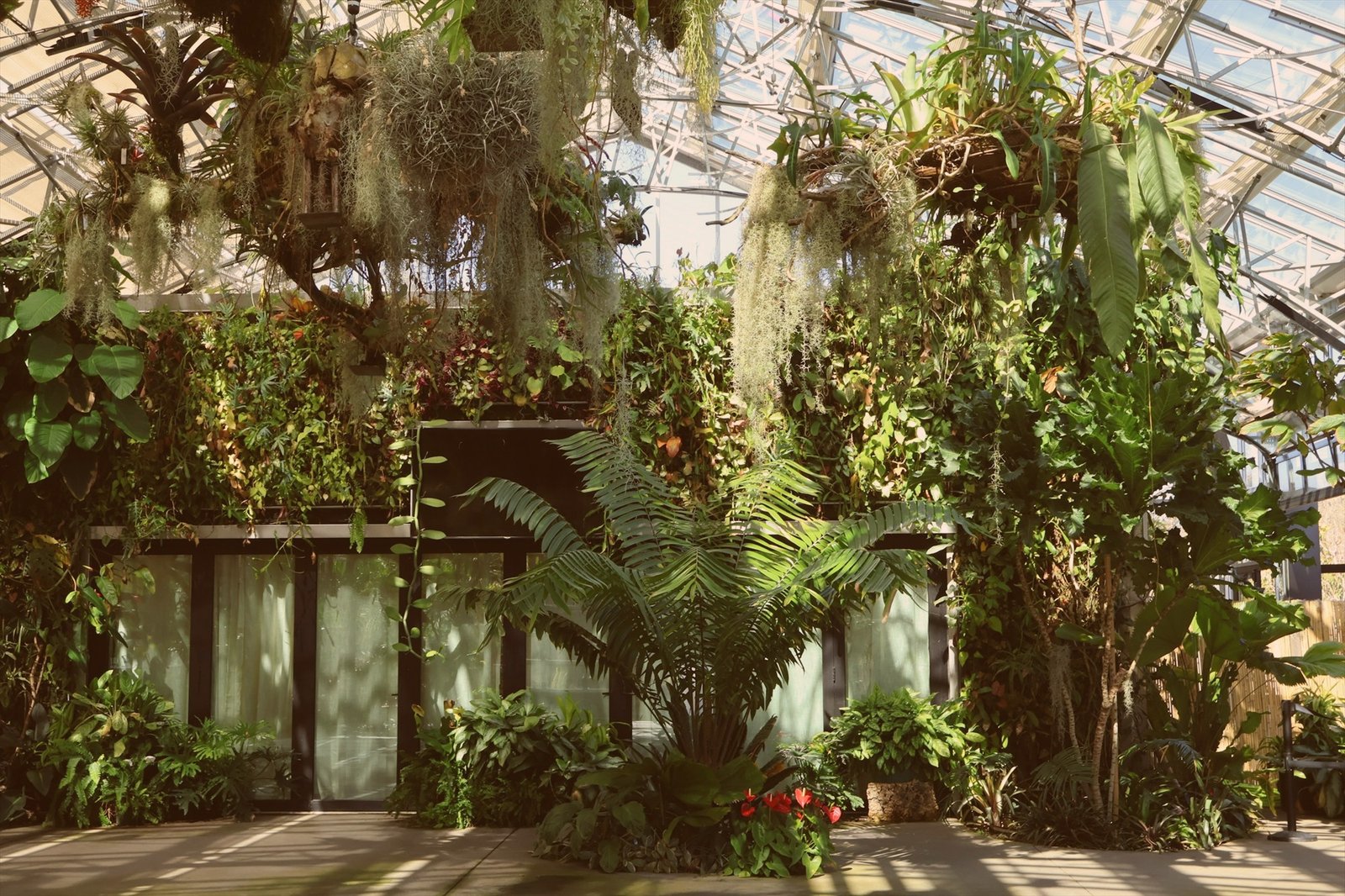
Garden stores have a genuine advantage that most don’t fully use. The visual identity is strong, the audience arrived with a specific emotional register, and the merchandise category has real depth: nature-inspired objects, botanically themed goods, seasonally relevant items that carry the feeling of the visit home. The problem is that most garden shops end up with a mix of generic giftware and branded basics that could have come from any retail context.
We source for gardens the way we source for any institution: by understanding what your visitors actually came for and working backward to the objects that extend that experience. We know which products in the nature and botanical category have genuine depth, which ones only approximate a garden’s visual identity, and how to build a seasonal buying strategy that moves inventory without leaving you with a clearance problem in November.
The best garden shops feel like the last room in a well-designed visit. The object you bring home carries the feeling of the place.
For development and membership
Member gifts that reflect why people joined.
People join botanical gardens for a combination of reasons: the place itself, the educational programs, the sense of connection to something living and seasonal. Member gift programs work best when the object carries some of that. A well-chosen tote, a seed packet in considered packaging, a field journal that someone will actually use in the garden: these things communicate something about the institution that a generic branded item doesn’t.
We work with garden development and membership teams on the gift pieces that accompany new memberships, renewal acknowledgments, and major donor recognition. The category has real opportunity: there is strong design work in botanical and nature-inspired goods, and most gardens haven’t tapped it systematically.
Planning a donor or member gift? Start a project. A rough idea is enough.

What we bring
- A partner with real depth in botanical and nature-inspired goods, not a general promotional vendor that happens to carry a floral tote.
- Seasonal sourcing strategy that keeps the shop feeling current across the year, without overstocking or clearance pressure.
- Member and donor gift recommendations tied to your garden’s particular identity and what your audience came to experience.
From field notes
What we’ve been noticing in the sector.
Garden shops, seasonal collections, and the merchandise opportunity that most nature-focused institutions are only beginning to take seriously. Field Notes covers other sectors too.
-
The four calendars
Fifteen cultural institutions whose public filings we examined close their fiscal years in five different months. The Metropolitan Museum of…
-
The seasonal problem
A botanical garden in April is a different place than the same garden in October, and not just in the…
-
What you take home from a living thing
The Hillwood shop in Washington sits in a genuinely unusual position. On one side of it is one of the…
Common questions
Questions we get asked.
How do we plan shop merchandise around the seasons?
Plan the buy by season rather than as one annual order. Timing ranges widely. A simple reorder can ship in a day, many stock products take about two weeks from approved artwork, and custom pieces typically take eight to sixteen weeks. That is why a spring assortment is decided in winter. More involved decoration, packaging or logistics add time. Smaller, more frequent runs cost a little more per unit and leave far less to clear in November.
What is the minimum order for garden shop merchandise?
Minimums come with the product and the way it is decorated, not from us. A screen-printed tote often starts around 100 pieces; embroidered and digitally printed goods frequently run lower. Where a seasonal item is close to its minimum, we will tell you whether a smaller run is possible before you commit to one you can’t sell through.
What makes a good member gift for a botanical garden?
Something a member will use in the garden, or that brings them back to it: a field journal, seeds in considered packaging, a tote sturdy enough for the plant sale. The object should carry some of the reason they joined. Unit cost moves with quantity, decoration method and material more than with the category, so the useful place to start is the per-member budget and the number of new members and renewals you expect.
Can merchandise use imagery from our collection or archive?
Yes, and it is often the strongest material a garden shop has. Botanical illustration, archival photographs and the garden’s own plant records give an object a connection nothing generic can. Rights stay with the garden; we work within whatever your team approves, and we check that the decoration method can hold the detail before anything is ordered.
Tell us what you’re working on.
A rough idea is enough to start.